
Battery Dry Rooms for Electric and Hybrid Vehicles
Purpose-built batteries for electric and hybrid vehicles have been proven through millions of miles in many different applications.
Custom modular battery packs enable manufacturers to configure designs to fit a larger variety of vehicles. Battery manufacturing facilities are being built throughout North America and globally to accommodate the demand in commercial and heavy-duty mass-transit vehicles.
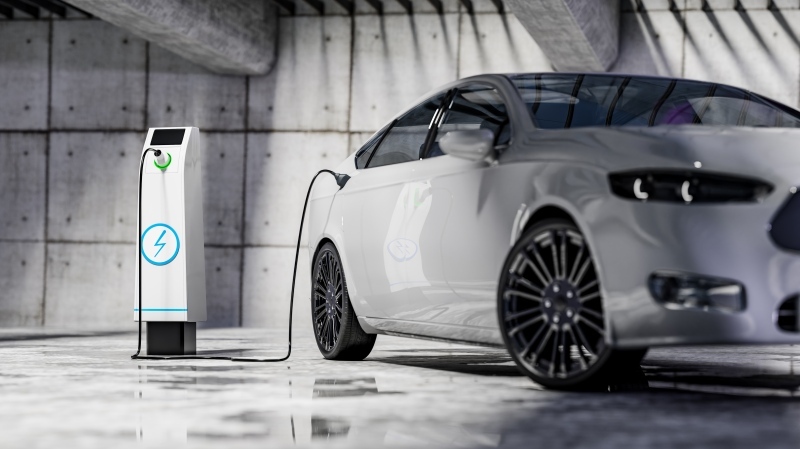
Cost Effective Production & Competitive Pricing
Lithium-ion batteries power the majority of electric and hybrid vehicles available today and that technology is also used in laptops, tablets, and cell phones. Through years of research and development to achieve longer-range performance and efficient cost-effective production has generated more competitive pricing with gas-powered vehicles.
For critical applications, expedited delivery can be accommodated. These same high standards are also applied with our environmental test chambers.
Frequently Asked Questions
How does a hybrid vehicle dry room differ from a standard dry room?
A hybrid vehicle dry room is typically customized to support mixed production requirements, including smaller battery packs or varied chemistries used in hybrid platforms. Environmental specifications may differ slightly depending on production volume and battery design requirements.
What humidity levels are required in EV dry rooms?
Most EV dry room environments operate at extremely low dew points, often below −40°C dew point conditions. Exact specifications depend on battery chemistry, manufacturing steps, and facility design, which is why custom engineering is essential.
Can battery dry rooms be customized for different facilities?
Yes. Experienced custom lithium battery dry rooms suppliers design modular systems tailored to facility size, workflow, automation integration, and future expansion plans. Customization ensures optimal performance while supporting scalable production growth.
What technology is used in EV battery dry room solutions?
Modern EV battery dry room technology typically includes desiccant dehumidification systems, precision environmental monitoring, advanced airflow control, and energy-efficient HVAC integration. These technologies maintain stable conditions while minimizing operational costs.

Case Study
Controlling Conditions in Dry Room Lab University of Michigan Energy Institute
Developing a dry room for an advanced lithium-ion battery production lab is a precise task requiring ultra-low dew point levels.
Read Case Study
Case Study
Archival Vaults for Library of Congress
As a leader in designing and engineering archival storage vaults, we were privileged to do archival vault work with the Library of Congress.
Read Case StudyContact Us Today
